Field notes for wheel traders.
Guides, worked examples, and analytics deep-dives - for traders who track.


How to Pick the Best Stocks for the Wheel Strategy
A screening checklist for wheel strategy stocks - liquidity, IV, fundamentals, and the one question that filters out 90% of bad candidates.

How to Calculate Annualized Return on Cash-Secured Puts
The formula wheel traders should use, with worked examples.

Why Every Wheel Trader Needs a Real Journal (Not a Spreadsheet)
The wheel produces more bookkeeping per dollar than almost any strategy. What to track, why spreadsheets break, and what good tracking gives you back.

Monthly Income From Selling Options - What's Realistic
Can you generate monthly income selling options? Realistic return targets for cash-secured puts and covered calls, and the lifestyle math nobody posts.

Cutting losers fast: building the discipline before you need it
The trade you can't stomach to close is the one that ends careers. A rules-based framework for exiting losers without ego or hope getting in the way.

Building a dividend ladder: getting paid quarterly without thinking about it
A boring portfolio of staggered dividend payers can throw off monthly income that compounds for decades. The mechanics are simple. The patience is the hard part.

Fed days, CPI, NFP: how macro data ripples through your trades
Three economic data releases drive most of the volatility in the U.S. stock market. Knowing the schedule and the typical reaction is half the battle.

Understanding the Greeks: Delta, Theta, Gamma, Vega in plain English
Four numbers that tell you how an option will move. What they actually measure, how to read them as risk, and which one matters most for the strategy you're running.

Journaling done right: turning random trades into a pattern you can study
A bad journal is a list of trades. A good journal is a map of your decision-making. Here's what to actually write down - and what to ignore.
Paper trading vs. small real money: which one actually teaches you
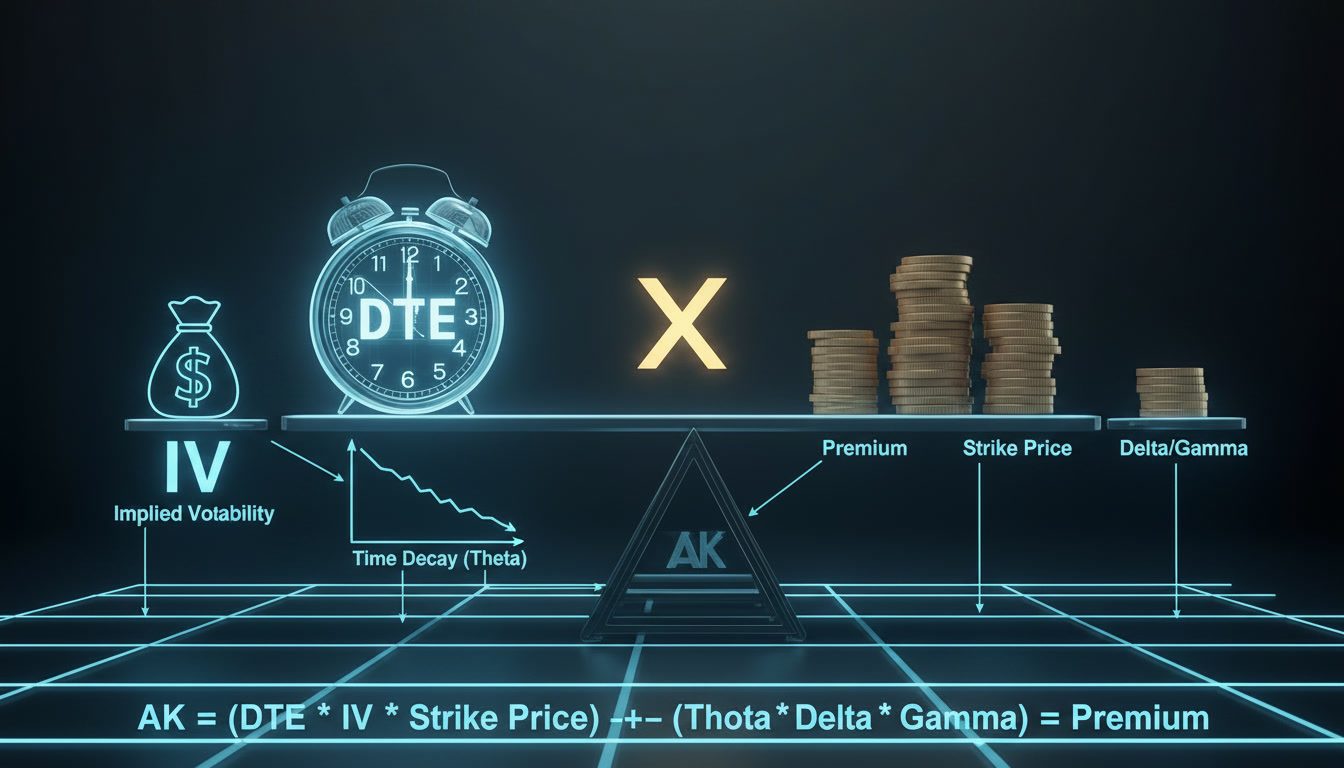
Paper trading teaches you the mechanics. Small real money teaches you the emotions. You need both - in the right order - and most people skip the second.

Position sizing: how much to risk on a single trade
A bad position size will kill an account faster than a bad strategy. The framework professional traders use to make sure no single trade can sink the ship.

Reading earnings reports: what actually moves the stock
EPS beats don't move stocks - guidance, margins, and forward commentary do. A practical guide to skimming earnings for what matters in the next 24 hours.

Revenge trading: the trap after every losing day and how to spot it in yourself
You lose money. You feel like you need to "make it back today." The trade you take next is almost always your worst. Here's why - and the simple rule that stops it.

Rolling options: when to roll, when to take assignment, when to walk away
You sold a put and now it's under your strike. Rolling for credit can rescue the trade - or quietly bury it. The decision framework matters more than the move.

Sector rotation: why money flows from tech to energy and back
Markets don't move all together. Capital rotates between sectors based on the economic cycle. Knowing where you are in the cycle tells you what to overweight.

Sizing up after a winning streak: the most expensive mistake confident traders make
Six green days in a row. Your conviction is high. Your size goes up. The next loss wipes out a third of the streak. The math of why winners size up, then quietly give it back.

Strike selection: how delta, DTE, and your account size pick the strike for you
The right strike isn't the one with the highest premium. It's the one that matches your conviction, your account, and how much pain you can stand at assignment.

Volatility cycles: VIX, IV rank, and when to sell premium vs. buy it
Volatility moves in cycles. Knowing where you are in the cycle determines whether selling premium is genius or career-ending.

The Wheel Strategy, Explained Step by Step
Sell puts, take assignment, sell calls, repeat. How the wheel actually works, where the money comes from, and what can go wrong.

Yield curve inversion explained: why traders care about 2s vs. 10s
A yield curve inversion has predicted every U.S. recession for 50 years. What it actually is, why it works, and how to read it without panicking.

IV Rank Explained - When Implied Volatility Pays Premium Sellers
What implied volatility and IV rank actually measure, why premium sellers care, and how to use IV rank to time cash-secured puts and covered calls.

When to Roll a Cash-Secured Put - and When to Take Assignment
Rolling feels like defense, but sometimes it's just postponing a decision. A framework for choosing between the roll and the shares.

Theta Decay Explained - How Time Pays Option Sellers
What theta decay is, why time decay accelerates near expiration, and how premium sellers turn the clock into an income stream.

5 Covered Call Mistakes That Quietly Cap Your Returns
The call side of the wheel looks easy. These five habits are why most traders make less than they should on it.

Win Rate Lies - The Metrics That Actually Measure a Wheel Strategy
Premium sellers win most of their trades and can still lose money. Here are the numbers that tell the truth about a wheel.

Running the Wheel Strategy on a Small Account
How much money you need for the wheel strategy, which stocks fit a small account, and the position sizing rules that keep you alive long enough to compound.

A Weekly Routine for Wheel Traders (That Takes Under an Hour)
The weekly options trading routine that keeps a wheel portfolio managed - what to check, when to roll, and the review habit that compounds skill.
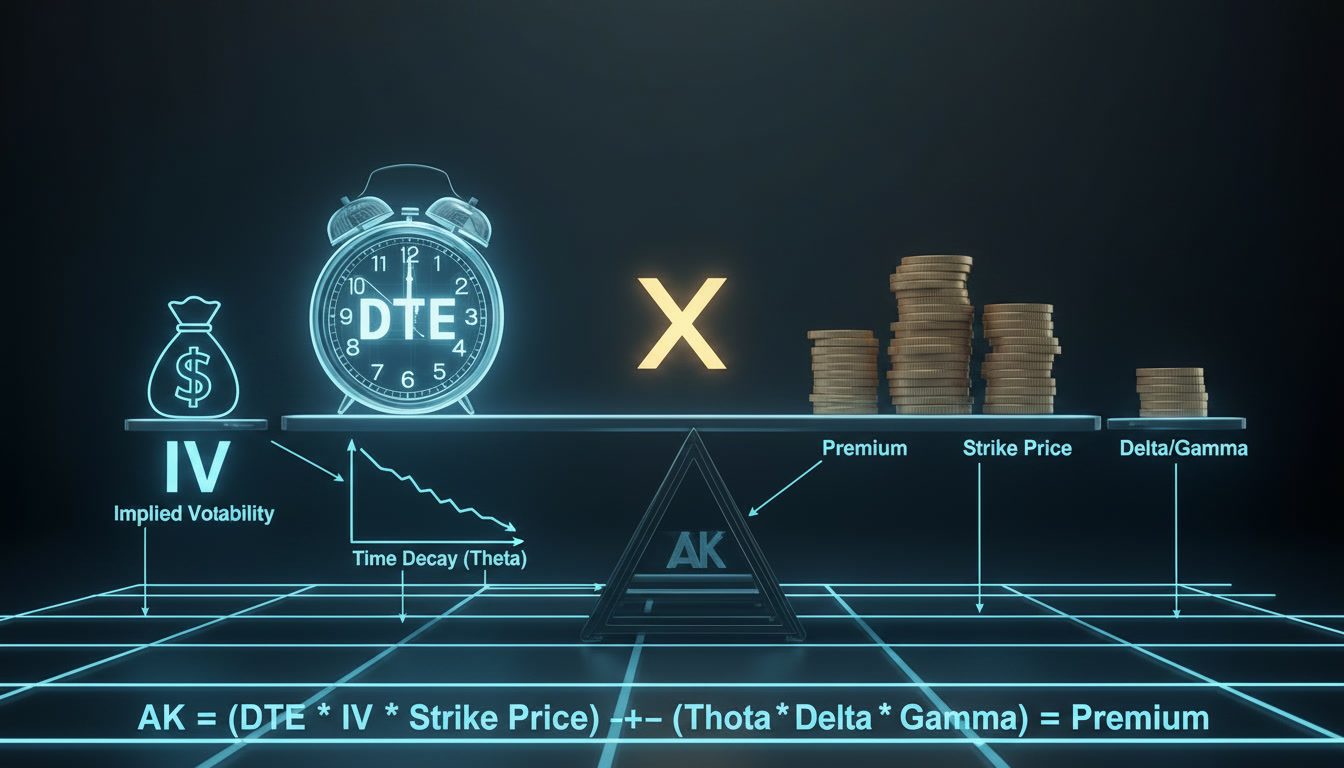
Options Greeks for Wheel Traders - Delta, Theta, and DTE in Plain English
The options Greeks that actually matter for cash-secured puts and covered calls - how delta sets your odds, theta sets your pay, and DTE sets the terms.

When Is the Best Time to Sell Options? Timing Premium Without Predicting Markets
The best time to sell options is a set of conditions, not a time of day - IV spikes, post-earnings resets, and calendar spots sellers wait for.

Compounding Options Premium - Turning Small Credits Into Real Capital
How reinvesting options premium compounds a wheel account, the snowball math at 1.5-2.5% a month, and the habits that protect the curve.

Managing a Losing Cash-Secured Put - The Defense Playbook
Your short put is deep in the money. Roll, take assignment, or cut? A decision framework for managing losing cash-secured puts without making it worse.

Trading Psychology for Premium Sellers - Discipline Beats Conviction
Why options sellers blow up less from bad strategy and more from broken discipline - revenge trading, oversizing, and the systems that prevent both.
Get the weekly edge
Wheel setups, journaling tactics, and market notes - one email a week. Plus the Tradevada Trading Playbook, free.